

The History of Shoes: From Protection to Confidence
Shoes have never been just about covering the feet.
Long before they became symbols of style, professionalism, and formal dressing, shoes existed for one simple reason: protection. Early humans needed footwear to walk across rough ground, cold surfaces, stones, soil, and changing weather. Leather became one of the most important materials because it was flexible, durable, and able to shape itself around the foot over time.
But as human society changed, Shoes changed with it. They moved from basic protection to a sign of status, craftsmanship, identity, and eventually, confidence.
From Survival to Social Meaning
The earliest shoes were practical. They were made to help people move safely through their environment. Leather was valuable because it could protect the foot while still allowing movement. It was stronger than woven materials and more adaptable than wood or other hard surfaces.
As communities developed, shoes began to carry social meaning. What a person wore on their feet could reflect their role, lifestyle, and position. In many cultures, better materials and more refined footwear were connected with wealth, work, authority, or ceremony.
This was the beginning of an idea that still exists today: shoes are not only functional. They also say something about the person wearing them.
The Rise of Craft and Formality
Over time, shoemaking became a skilled craft. Leather could be cut, shaped, stitched, polished, and finished in different ways. As cities grew and social life became more structured, shoes also became more specialized.
There were shoes for work, shoes for riding, shoes for formal settings, and shoes for everyday life. Men’s Shoes began to develop into recognizable styles, including lace-up shoes, boots, loafers, and more refined dress shoes.
Formal Shoes became especially important because they matched the growing need for social presentation. In professional, political, religious, and ceremonial settings, appearance mattered. A polished pair of Shoes helped complete a man’s outfit and showed that he understood the importance of the occasion.
Shoes and the Modern Man
In modern life, Shoes are no longer only for the upper class or for rare formal events. They have become part of a man’s everyday wardrobe, especially when he wants to look mature, prepared, and put-together.
The modern man may not wear a suit every day. His life moves between work, commuting, meetings, dinners, weddings, travel, and smart casual moments. Because of this, Shoes have also become more versatile.
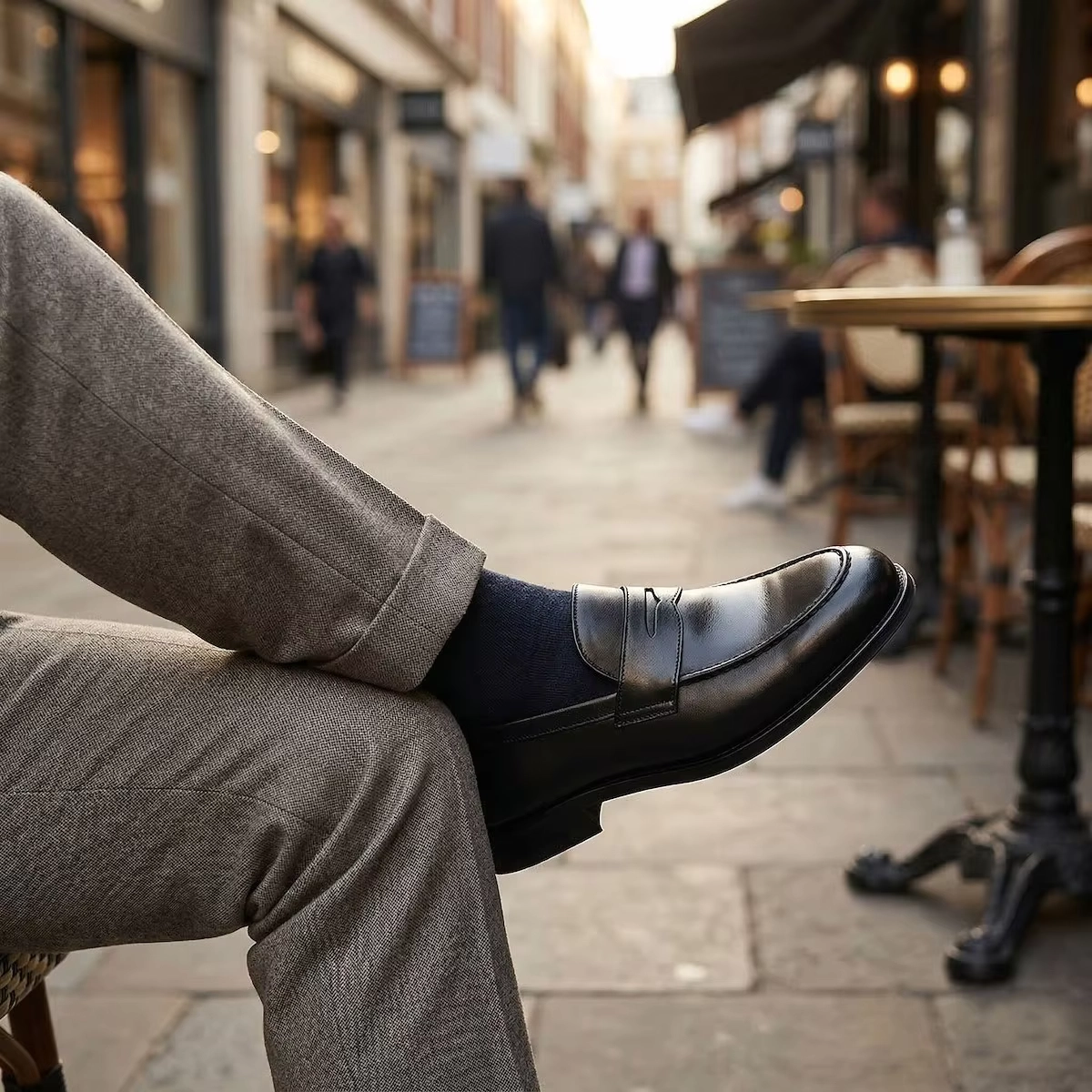
Derby shoes offer reliable professionalism. Loafers bring effortless polish. Chelsea boots add a sharper everyday look. Monk strap shoes bring character to formal dressing. Dress sneakers offer a cleaner alternative for men who want comfort with a refined edge.
Today, the best Shoes are not only about looking formal. They are about helping a man move through different parts of life with comfort and confidence.
Why Shoes Still Matter
Fashion changes quickly, but Shoes remain important because they serve a deeper purpose.
A clean pair of Shoes can make a simple outfit look more intentional. They can help a man feel more prepared before a meeting, more confident at an event, and more respectful at a wedding or formal dinner. They are not loud, but they carry presence.
For many men, the first pair of Shoes also marks a new stage of life. It may be bought for an interview, a first job, a graduation, a wedding, or another important moment. That pair becomes connected to responsibility, growth, and the road ahead.
This is why Shoes have lasted through centuries of changing style. They are practical, but also emotional. They protect the feet, but they also support the way a man presents himself to the world.
From Footwear to Companion
The history of Shoes is really the history of human movement — from survival to work, from work to ceremony, from ceremony to personal expression.
A good pair of Shoes walks with a man through more than just streets and rooms. It walks with him through interviews, workdays, handshakes, celebrations, decisions, and new beginnings.
Shoes have changed in shape, structure, and style, but their meaning remains powerful. They help a man look ready. They help him feel steady. They help him step forward with quiet confidence.
Because when the road ahead begins to matter, shoes become more than something he wears.
They become trusted companions on the way to success.